
Do you regularly prepare permanent microscope slides?
Do you use shellac, asphaltum, Glyptal or other traditional as well as modern ringing compounds? Have you spent hours trying to produce neat, even sealing rings by hand?
If so, I’d like your help.
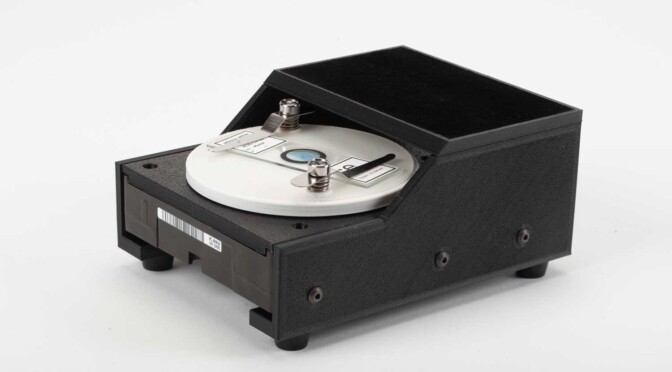
Over the past months I’ve designed and built an electric slide ringing table around a refurbished hard drive spindle motor. The goal is simple: to make slide ringing faster, easier and more consistent without taking away the control that experienced microscopists rely on.
The prototype is now working well enough that laboratory testing alone is no longer sufficient. What it needs is evaluation by people who actually prepare slides on a regular basis.
How it works
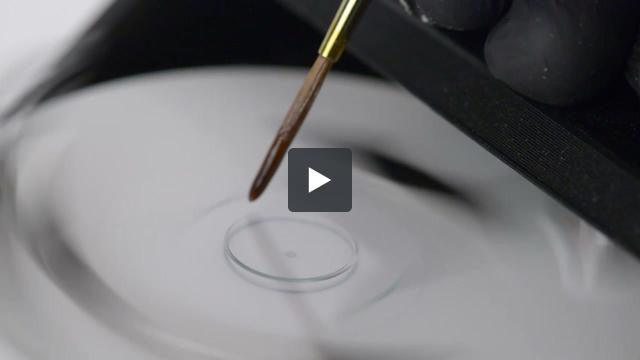
Below video shows a ring of shellac being applied to a glycerin jelly mount in multiple passes while the ringing table spins continuously.
Who I’m looking for
I’m looking for a small number of experienced microscopists—professionals or serious hobbyists—who are comfortable with traditional slide preparation and ringing techniques.
You don’t have to be impressed by the design. In fact, I’d much rather hear what you don’t like.
If you’re interested in receiving one of the prototypes for testing, please drop me an email where you tell a little bit about your experience with creating prepared slides – whether it’s by profession or as an hobbyist.
In return for the prototype (which you may keep after testing), I’d like detailed feedback on its functionality and whether you think it serves its intended purpose.
I may reference your assessment as part of the product certification process, including applications for funding related to such certification. I will not, however, use it for marketing purposes without explicit consent.
What you’ll receive
If selected, I’ll send you one of the prototype units free of charge.
Use it as you normally would when preparing slides. Compare it with your current workflow. Push it a little. Try different ringing compounds, different brush techniques and different types of preparations.
The prototype is yours to keep after the evaluation.
What I ask in return
In return, I’d appreciate honest, detailed feedback about questions such as:
- Does it actually make ringing easier?
- Does it improve consistency?
- Is the speed appropriate?
- Is mounting and centering too cumbersome?
- What would you change?
- Would you keep using it after the novelty wears off?
Critical feedback is every bit as valuable as positive feedback.
Your comments may be referenced during product certification or funding applications. They will never be used for marketing or endorsements without your explicit permission.
For the time being, this remains an independent development project under evaluation.
Interested?
Send me a short email introducing yourself and describing your microscopy background, the kinds of specimens you prepare, and how often you make permanent slides.
If you’re among the first testers, I’ll get back to you with further details.
Features (preliminary)
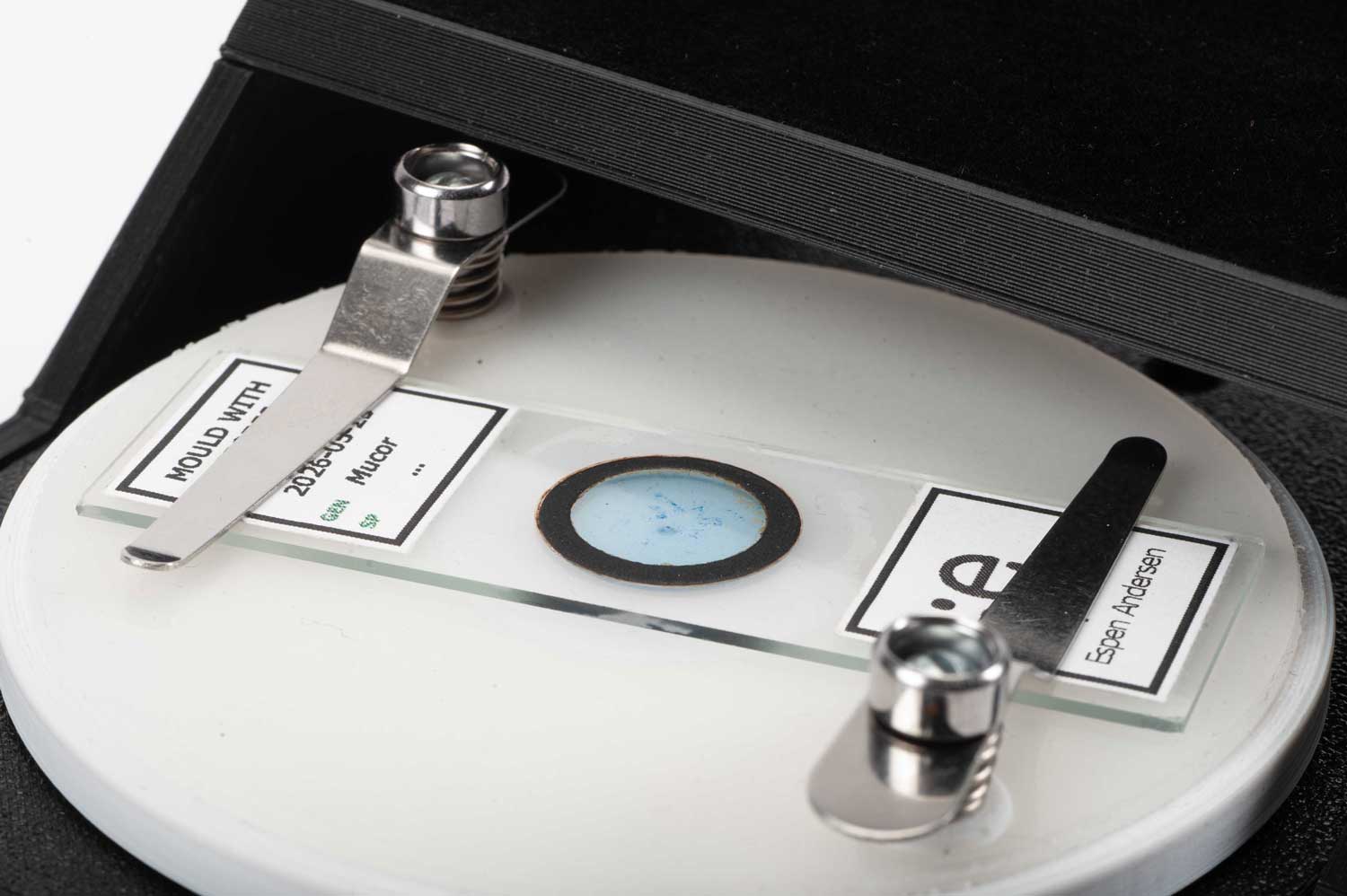
LATEX PADDING: As a safety feature, the slide ringing table has spring loaded clips on a latex padding to hold the object glass firmly in place even at full speed.
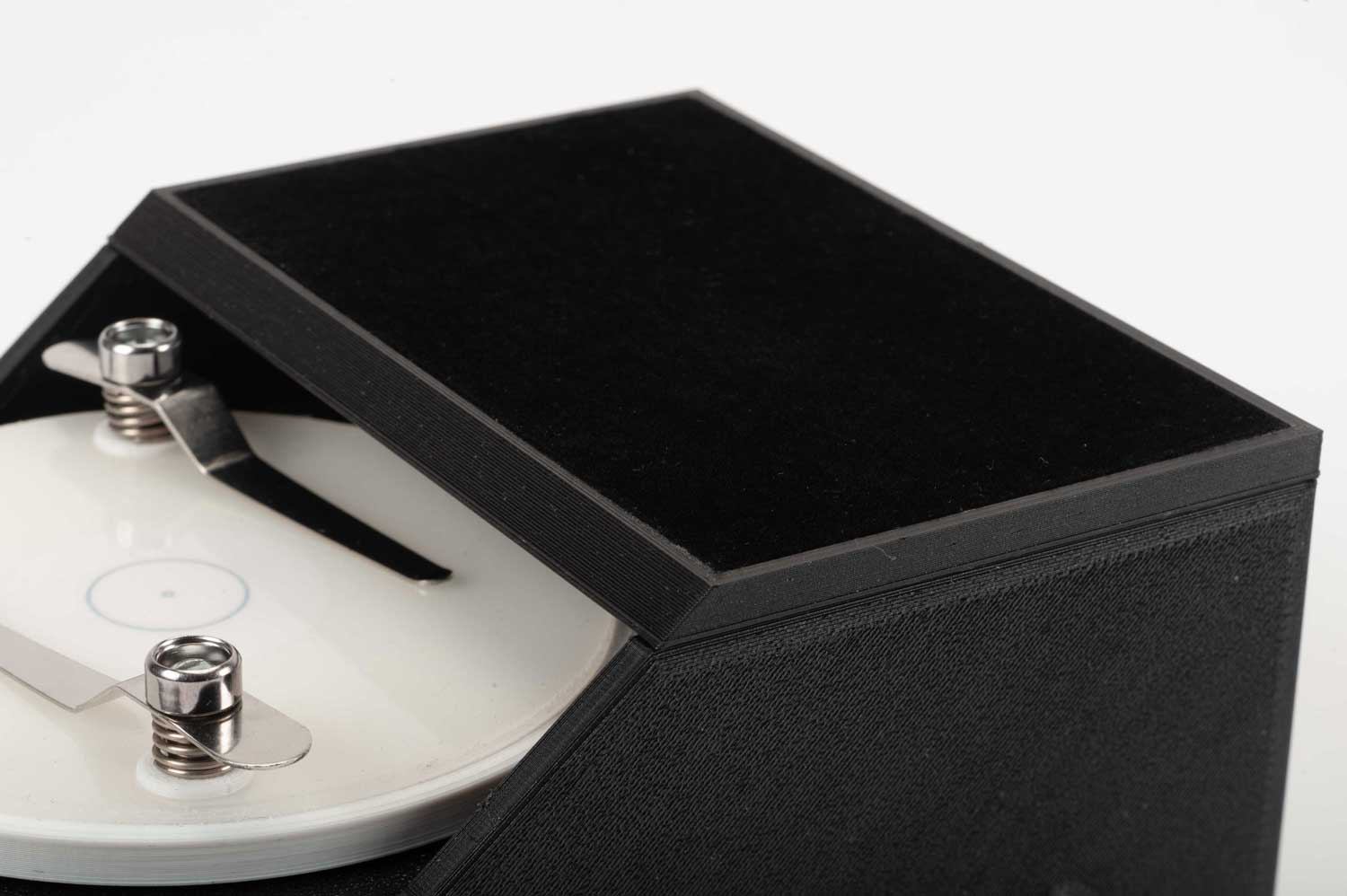
WRIST SUPPORT: Rest your hand on the wrist support to keep the paintbrush steady. This makes it effortless to position the brush directly above the cover glass for sealing.
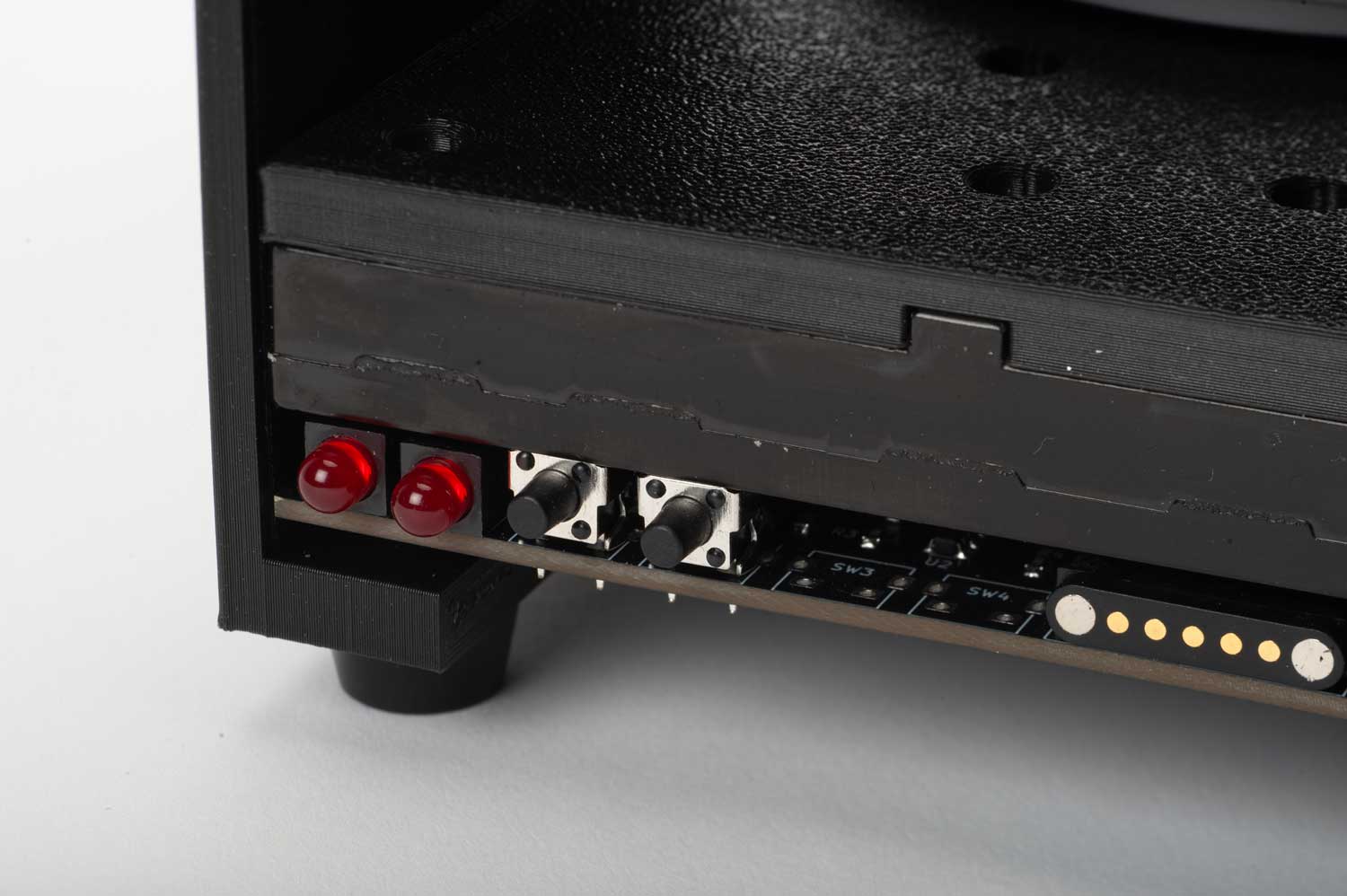
MOTOR CONTROL: The spindle motor has two speeds. A microcontroller monitors the table spin, keeping speed and torque within safe limits.
Characteristics (preliminary)
| Input voltage | 9-12 VDC |
| Startup current consumption | 200 mA |
| Typical current consumption | 30 mA |
| DC Connector | Barreljack 5,5 mm |
| Polarity | Polarity independent |
| Speed (low) | ~450 rpm |
| Speed (high) | ~600 rpm |