What a difference a 3D printed dark-field filter makes! Here’s how I dramatically altered the light quality of a low-end microscope with a very simple 3D printed part.
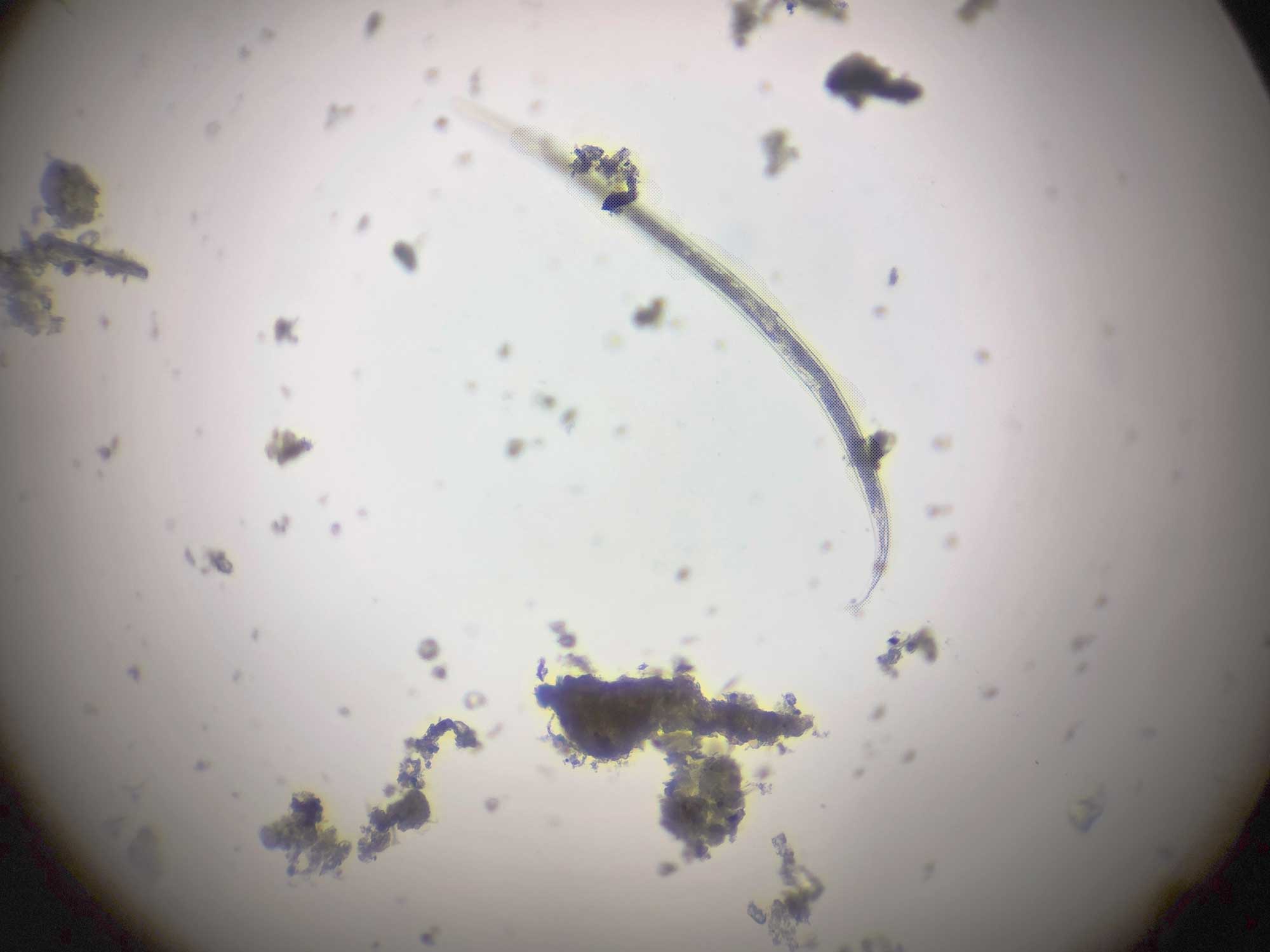
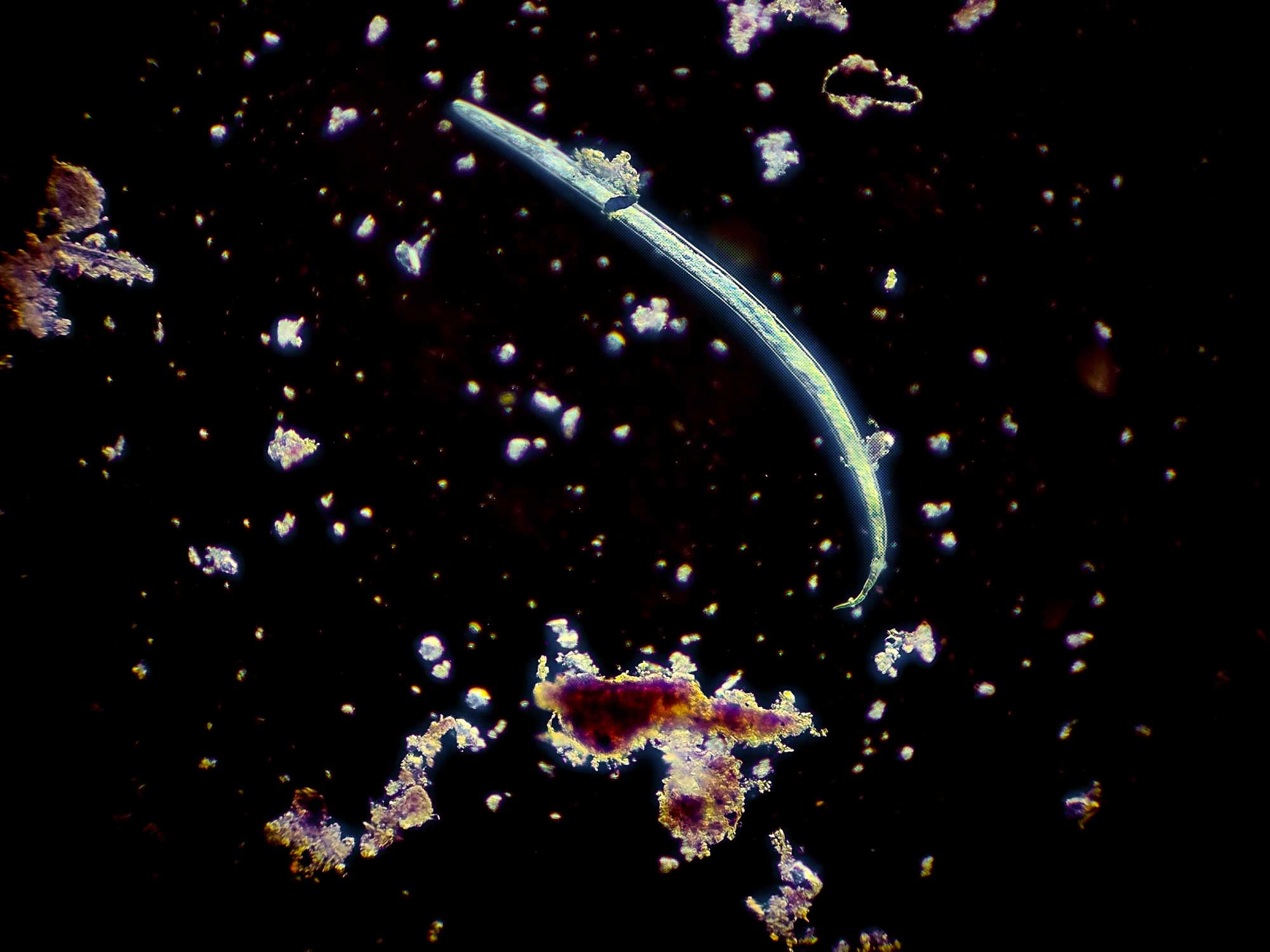
I had a great deal of fun with a toy microscope as a kid. I recently got a reasonably priced Vevor trinocular microscope to introduce my own kids to the world of microbes.
Getting a clearer view
I’ve been fiddling around with the scope, trying to out various settings for the LED illumination. Dark-field filters was something I learned about as a kid, but I never got around to try it out.
Like most low-cost microscopes, it comes with so-called bright-field illumination, by far the most common microscope illumination technique. It’s where the light shines through the specimen from behind.
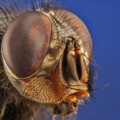
Another type of illumination is dark-field., which is when the light illuminates the specimen only. The background stays dark. Professional dark-field scopes use specialized condenser lenses. But there are ways to fake the same effect by modifying the illumination with dark-field filters.
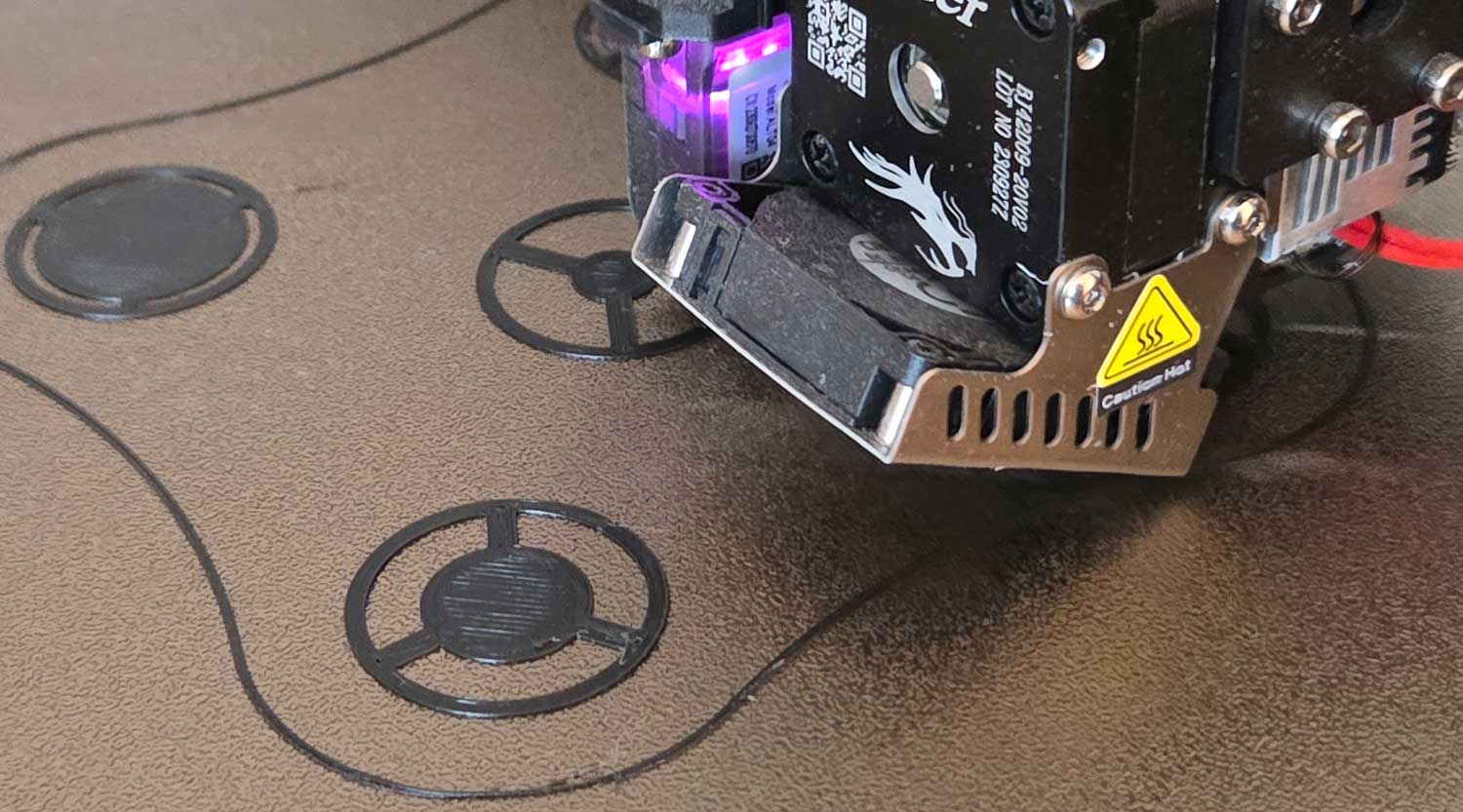
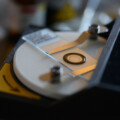
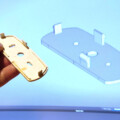
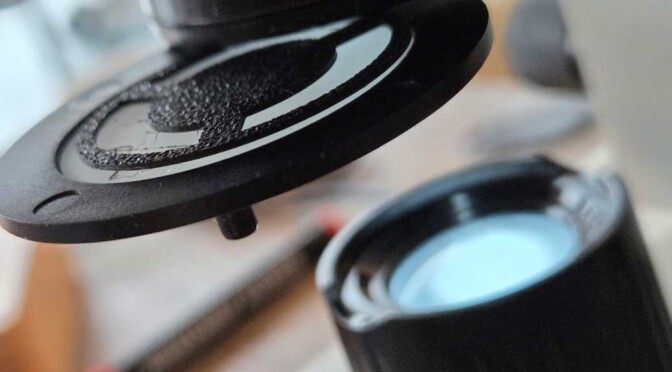
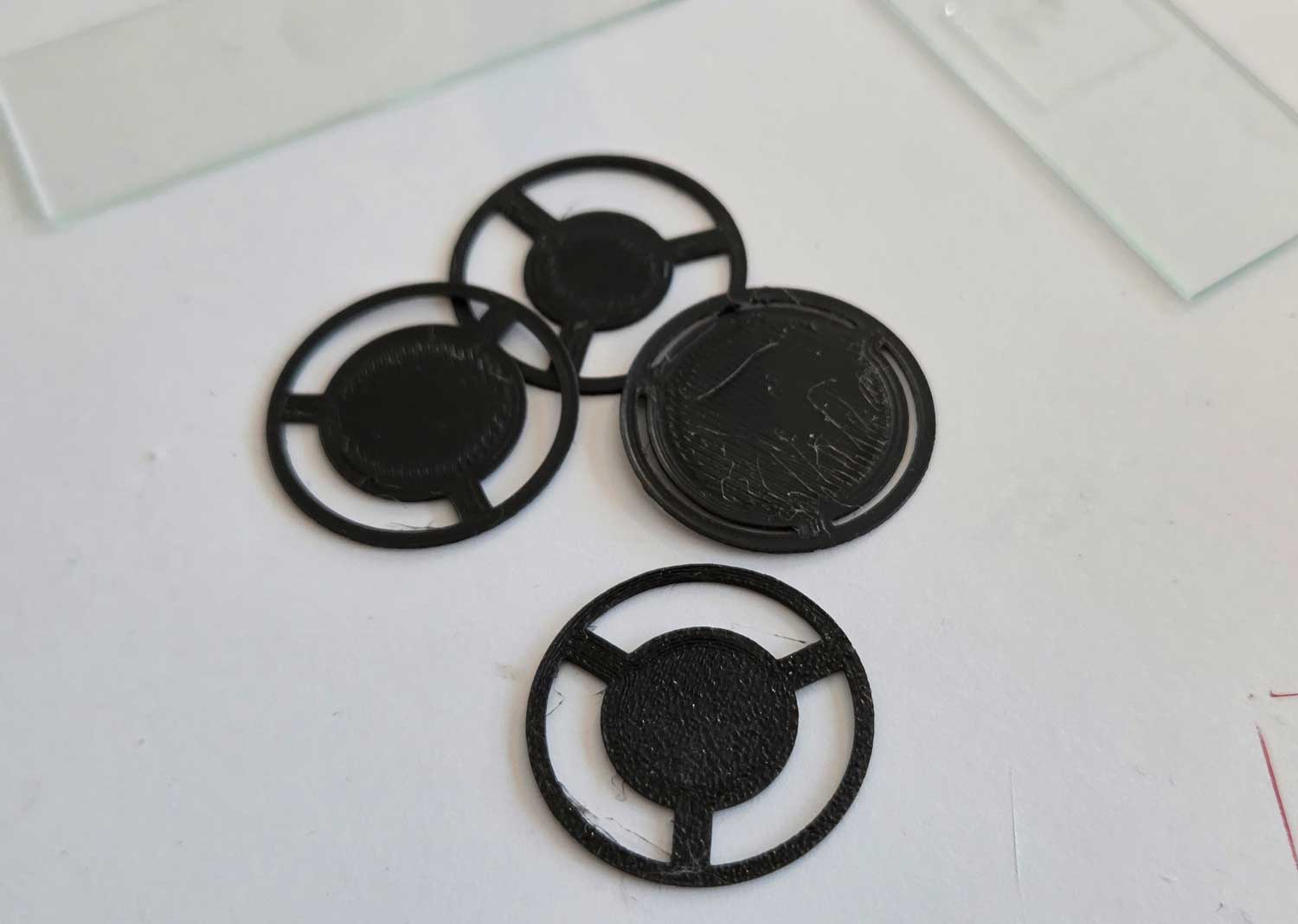
My scope has a filter holder beneath the condenser. So I 3D printed a couple of dark-field filters in PETG to see if they would have any impact on the light quality.
Dark-field filters and some limitations
The filters work best for low enlargements, such as with my 10X Nikon E-Plan objective. If you’re going for 40X, or even 100X, you should probably to consider a dark-field condenser with a matching objective.
I now have a FreeCAD filter model that allows me to adjust the filter size, the frame width and the center disc size. You can download this 3D file and a set of 31,8 mm filters from my GrabCAD profile.
Warning: These dark-field filters only works for LED illumination! Do NOT insert plastic parts near halogen or incandescent bulbs, as the heat from these can start a fire.